.
Correspondingly, what causes Stimming?
Common stimming behaviors include:
- biting your fingernails.
- twirling your hair around your fingers.
- cracking your knuckles or other joints.
- drumming your fingers.
- tapping your pencil.
- jiggling your foot.
- whistling.
Additionally, what are some examples of Stimming? Some common examples of stimming (sometimes called stims) include hand flapping, clapping, rocking, excessive or hard blinking, pacing, head banging, repeating noises or words, snapping fingers; and spinning objects.
Besides, how does Stimming help autism?
Causes of stimming Some theories suggest that stimming may counteract a lack of sensitivity by stimulating the sensory system. Others suggest that stimming may have a calming effect, focusing attention away from an overwhelming experience. Stimming behaviors can provide comfort to autistic people.
Do autistic symptoms worsen with age?
27, 2007 -- Most teens and adults with autism have less severe symptoms and behaviors as they get older, a groundbreaking study shows. Not every adult with autism gets better. Some -- especially those with mental retardation -- may get worse.
Related Question AnswersCan you Stim and not be autistic?
With or without autism, there's a lot of variation in how often stimming occurs from person to person. You might crack your knuckles only when you're particularly stressed, or you may engage in this behavior multiple times a day. For some people with autism, stimming can become an everyday occurrence.Is Stimming a sensory issue?
People diagnosed with sensory processing disorder are also known to potentially exhibit stimming behaviours. Stimming has been interpreted as a protective response to over-stimulation, in which people calm themselves by blocking less predictable environmental stimuli, to which they have a heightened sensitivity.What does autistic Stimming look like?
Stimming behaviours can consist of tactile, visual, auditory, olfactory and vestibular stimming. Some common examples of stimming (sometimes called stims) include hand flapping, clapping, rocking, excessive or hard blinking, pacing, head banging, repeating noises or words, snapping fingers; and spinning objects.How do you stop autism from Stimming?
Tips for management- Do what you can to eliminate or reduce the trigger, lower stress, and provide a calming environment.
- Try to stick to a routine for daily tasks.
- Encourage acceptable behaviors and self-control.
- Avoid punishing the behavior.
- Teach an alternate behavior that helps to meet the same needs.
What is high functioning autism?
High-functioning autism (HFA) is autism without an intellectual disability (an IQ of 70 or less). Individuals with HFA may exhibit deficits in areas of communication, emotion recognition and expression and social interaction. HFA is not a recognized diagnosis in the DSM-5 or the ICD-10.Can a child outgrow Stimming?
They have some 'autistic-like' symptoms such as unusual sensory sensitivity, echolalia, stimming, and obsessive-compulsive or repetitive behaviors. The good news is that these children “outgrow” their “autism” with excellent outcomes and later adjustments.What are self stimulatory behaviors?
When a person with autism engages in self-stimulatory behaviors such as rocking, pacing, aligning or spinning objects, or hand flapping, people around him may be confused, offended, or even frightened. Also known as “stimming,” these behaviors are often characterized by rigid, repetitive movements and/or vocal sounds.What does Stimming feel like?
Some common examples of stimming (sometimes called stims) include hand flapping, clapping, rocking, excessive or hard blinking, pacing, head banging, repeating noises or words, snapping fingers; and spinning objects.Does autism improve with age?
27, 2007 -- Most teens and adults with autism have less severe symptoms and behaviors as they get older, a groundbreaking study shows. Not every adult with autism gets better. Some -- especially those with mental retardation -- may get worse. Many remain stable.What is self Stimming in autism?
When a person with autism engages in self-stimulatory behaviors such as rocking, pacing, aligning or spinning objects, or hand flapping, people around him may be confused, offended, or even frightened. Also known as “stimming,” these behaviors are often characterized by rigid, repetitive movements and/or vocal sounds.Does anxiety cause Stimming?
Stimming has been interpreted as a protective response to over-stimulation, in which people calm themselves by blocking less predictable environmental stimuli, to which they have a heightened sensitivity. A further explanation views stimming as a way to relieve anxiety and other negative or heightened emotions.What are examples of autism?
Examples of this can include:- Repetitive behaviors like hand-flapping, rocking, jumping, or twirling.
- Constant moving (pacing) and “hyper” behavior.
- Fixations on certain activities or objects.
- Specific routines or rituals (and getting upset when a routine is changed, even slightly)
Why do autistic children love trains?
Some people with autism are greatly attracted to being able to organize objects and trains lend themselves to being sorted by type and model. In addition, trains run on highly intricate schedules, which appeals to individuals with autism's propensity for predictability and desire to memorize and recite information.Is clapping a sign of autism?
Typical babies will mimic others, whether through facial movements (making a funny face, for example), making a particular sound with their voice, or waving, clapping or making other similar gestures.Does autism get worse after age 3?
27, 2007 -- Most teens and adults with autism have less severe symptoms and behaviors as they get older, a groundbreaking study shows. Not every adult with autism gets better. Some -- especially those with mental retardation -- may get worse. Many remain stable.Why do autistic walk on toes?
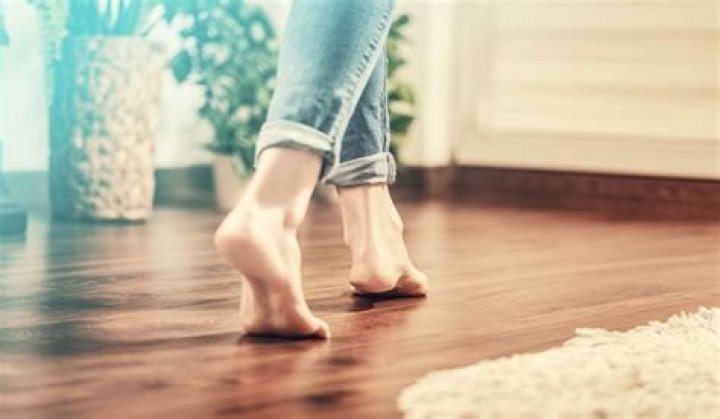
The tight muscle and/or shortened tendon can prevent the heel from touching the ground. So instead of walking flat footed, the child walks on his or her toes. Calf muscle tightness often occurs with autism. Sometimes it's related to cerebral palsy, another condition that can co-occur with autism.How do I stop Stimming?
Tips for management- Do what you can to eliminate or reduce the trigger, lower stress, and provide a calming environment.
- Try to stick to a routine for daily tasks.
- Encourage acceptable behaviors and self-control.
- Avoid punishing the behavior.
- Teach an alternate behavior that helps to meet the same needs.