.
Keeping this in view, what chemicals are released when you are stressed?
When stress sets off the usual ferocious communication between the hypothalamus and the pituitary, the buck stops at the adrenal glands. They manufacture and release the true stress hormones—dopamine, epinephrine (also known as adrenaline), norepinephrine (noradrenaline), and especially cortisol.
Likewise, why is the release of hormones important to stress? The adrenal cortex releases stress hormones called cortisol. This have a number of functions including releasing stored glucose from the liver (for energy) and controlling swelling after injury. The immune system is suppressed while this happens.
Hereof, how can I reduce stress hormones?
Here are 11 lifestyle, diet and relaxation tips to lower cortisol levels.
- Get the Right Amount of Sleep.
- Exercise, but Not Too Much.
- Learn to Recognize Stressful Thinking.
- Learn to Relax.
- Have Fun.
- Maintain Healthy Relationships.
- Take Care of a Pet.
- Be Your Best Self.
How do you detox from stress?
The One-Day Stress Cleanse
- Listen to Stress-Reducing Tunes.
- Master a Three-Part Breath.
- Practice Better Posture.
- Eat Glucose-Balancing Foods.
- Try the Raisin Meditation.
- Unplug Your Tech Distractions.
- Declutter Your Inbox and Desktop.
- Enjoy a Cleansing Nightcap.
What chemicals cause anxiety?
The neurotransmitters serotonin, dopamine, norepinephrine, and gamma-aminobutyric acid (GABA) are specifically believed to be linked to mood and anxiety disorders.How do you calm an overactive nervous system?
- 7 Strategies to Calm and Soothe your Mind and Nervous System.
- #1. Meditation.
- #2. Yoga.
- #3. Nature Therapy.
- #4. Daily Massage.
- #5. Seasonal Foods.
- #6: Eating Relaxed. According to Ayurveda, how, when and what you eat all play a role in supporting the nervous system and the ability to stay calm.
- #7.
What is the chemical that causes anxiety?
Neurotransmitters are natural chemicals that help facilitate communication between your nerve cells. Examples include norepinephrine and serotonin. It's often said that mental disorders, such as depression and anxiety, are caused by a chemical imbalance in the brain.What does stress do to your body?
Stress hormones affect your respiratory and cardiovascular systems. During the stress response, you breathe faster in an effort to quickly distribute oxygen-rich blood to your body. But this also raises your blood pressure. As a result, frequent or chronic stress will make your heart work too hard for too long.What are some of the physical signs of stress?
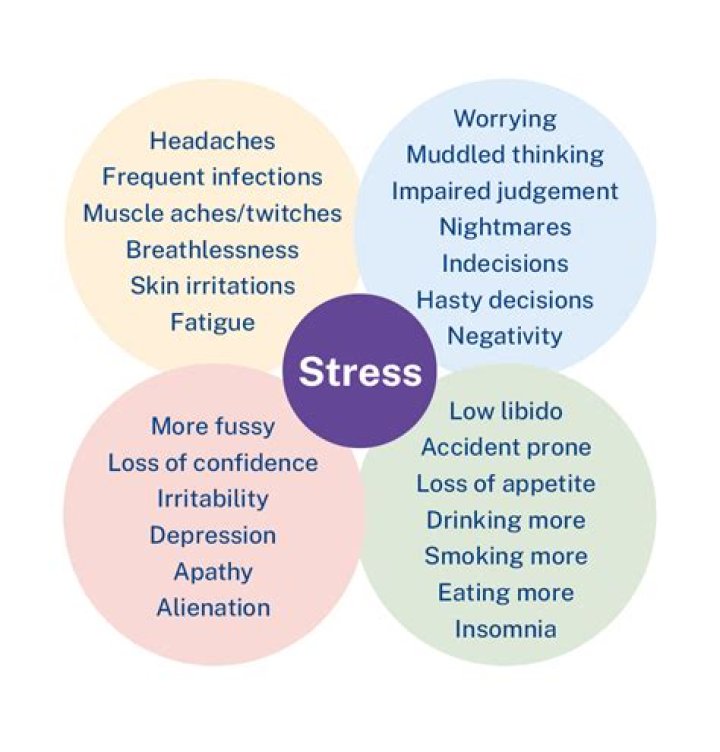
Physical symptoms of stress include:- Low energy.
- Headaches.
- Upset stomach, including diarrhea, constipation, and nausea.
- Aches, pains, and tense muscles.
- Chest pain and rapid heartbeat.
- Insomnia.
- Frequent colds and infections.
- Loss of sexual desire and/or ability.
What chemical does your brain release when you are stressed?
Catecholamines include neurotransmitters such as dopamine, epinephrine (adrenaline) and norepinephrine (noradrenaline), which are released during the body's stress response. They are produced in the adrenal glands, the brainstem, and the brain.How do I stop being tense?
- Take time for you! Ask yourself: “Am I giving too much to others and not enough for myself?
- Go to lunch and don't rush. Take a long lunch break at least three times a week.
- Walk every day. Walk by yourself or with a friend.
- Exercise more.
- Learn deep relaxation skills.
- Listen to relaxation tapes.
- Listen to relaxing music.
What are the 3 stress hormones?
Adrenaline, Cortisol, Norepinephrine: The Three Major Stress Hormones, Explained. Thanks to the work of our sympathetic nervous system, the "fight or flight" system that takes over when we're stressed, when you see your boss's name in your inbox late at night, your body reacts like there's a lion on the loose.What foods reduce stress hormones?
Fatty fish (such as salmon and tuna) and nuts and seeds (such as flaxseeds, pistachios, walnuts, and almonds) are rich in omega-3 fatty acids, which have been shown to reduce surges of stress hormones and also confer protection against heart disease, depression, and premenstrual syndrome.What hormone makes you calm?
Simply put, dopamine makes you feel good and puts you in a better mood. On top of that, the hormone oxytocin, which is released during orgasm, lowers cortisol levels.How does cortisol affect sleep?
With the onset of sleep, cortisol continues to decline until the nadir. Throughout the cycle, pulsatile secretions of cortisol of various amplitudes occur. This elevated CRH increases sleep EEG frequency, decreases short-wave sleep, and increases light sleep and frequent waking.Does stress affect women's hormones?
This can occur when elevated levels of cortisol suppress the body's natural sex hormones. Acute and chronic stress can fundamentally alter the body's hormone balance, which can lead to missed, late or irregular periods.Is cortisol a stress hormone?
As your body perceives stress, your adrenal glands make and release the hormone cortisol into your bloodstream. Often called the “stress hormone,” cortisol causes an increase in your heart rate and blood pressure. Normal levels of cortisol also are released when you wake up in the morning or exercise.How do I stop adrenaline anxiety?
Try the following:- deep breathing exercises.
- meditation.
- yoga or tai chi exercises, which combine movements with deep breathing.
- talk to friends or family about stressful situations so you're less likely to dwell on them at night; similarly, you can keep a diary of your feelings or thoughts.
- eat a balanced, healthy diet.
How can I practice mental health?
9 Ways You Can Improve Your Mental Health Today- Tell yourself something positive. Research shows that how you think about yourself can have a powerful effect on how you feel.
- Write down something you are grateful for.
- Focus on one thing (in the moment).
- Exercise.
- Eat a good meal.
- Open up to someone.
- Do something for someone else.
- Take a break.
What foods contain cortisol?
Some foods that may help to keep cortisol levels stable include:- dark chocolate.
- bananas and pears.
- black or green tea.
- probiotics in food such as yogurt.
- probiotics in foods containing soluble fiber.