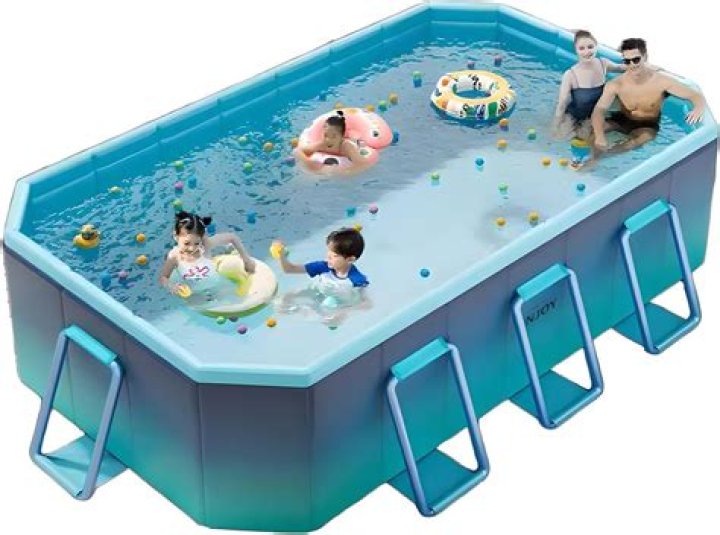
- Drill drainage holes in the bottom of the feeding trough roughly 6 inches apart.
- Flip the feeding trough over and put it in the desired location.
- Cut the screen to size and place it at the bottom of the trough to protect the drainage holes from getting clogged.
.
Also know, what can you use to fill the bottom of a large planter?
Light Materials. If you have an especially big planter to fill, light, bulky materials are your best bet. Examples include plastic drink containers, milk jugs, crushed soda cans, foam packing materials and plastic or foam take-out containers.
Also, what can I put in the bottom of my planter for drainage? Poking sphagnum peat moss or cheesecloth loosely into the drainage holes of your planter won't plug them but will help keep soil particles from washing out. Commercially made discs of coconut fiber, polyester or plastic filled with hydroponic rock also are available to place over drainage holes.
One may also ask, should I put rocks in the bottom of my planter?
Rocks aren't all bad. Rocks added to the bottom of large pots will reduce the volume of potting soil required to fill a container. So, while they won't increase drainage they will help to save a few bucks on soil.
Can you put Styrofoam in the bottom of a planter?
Place the screen in the bottom of your planter, and cover it with pieces of Styrofoam. Break up larger pieces of Styrofoam to get more even coverage on the bottom of the planter. Fill the planter until it is approximately one-third full of Styrofoam.
Related Question AnswersCan you use packing peanuts in bottom of planters?
It is not recommended to use Styrofoam peanuts for potted plants now, because they may break down in water and soil, leaving you with sunken in containers. If pieces begin to dissolve in the water, do not use them in the bottom of pots.How Big Should drainage holes be in planters?
In Purdue's bulletin on container gardening ( ), they say: "To provide drainage, drill three or four small (1/4 inch) holes in the bottom of the container. Holes larger than 1/4 inch in diameter will allow too much soil to escape.How do you weigh down a planter?
Fill the bottom of lightweight container, such as one made from fiberglass, plastic or foam, with 1 or 2 inches of rocks or pebbles. Do this before filling it with soil. The rocks or pebbles weigh down the pot to keep it from tipping over without affecting water drainage.What can I put in planters Besides plants?
Fill small pots with sand and small shells. Place a votive candle in the center. Plant flowers or green plants in your planters to use as table decorations at a party or reception. Use clean terra cotta pots to bake individual loaves of bread.Why do you put rocks in planters?
Put a layer of gravel in your plant's drainage tray, or down inside a decorative planter, then sit your plant pot on top. The gravel will hold water and increase humidity, while keeping your plant's roots up out of the puddle. Gravel comes in handy when sitting a plant inside a decorative planter.What can I use to fill the bottom of a large planter?
Various household cans, bottles and bags also can be used to take up space in the bottom of a tall planter. Possibilities include crushed aluminum cans, plastic milk jugs, plastic water bottles, plastic soda pop bottles and crunched, empty potting soil and soil amendment bags.Are pebbles good for plants?
The use of stones and pebbles in gardens can help the unplanted areas from losing moisture. This in itself can help the soil around the plants retain moisture, reducing the need for watering. Pebbles are also used on top of any organic mulch that you place around the roots of plants.How do you make drainage for a planter?
Create a drainage layer A drainage layer is created by adding a medium such as pebbles, stones or pumace to the bottom of a pot before adding soil. Soil particles are very small and tightly packed together, which means that water moves through them quite slowly.Do planters need drain holes?
A hole at the bottom of the container is critical. It allows water in the soil to drain freely so adequate air is available for the roots. While various kinds of plants have differing drainage needs, few can tolerate sitting in stagnate water.Can plants grow in pots without holes?
When a pot lacks drainage holes, the plant suffers in several ways. Water builds up and makes the soil soggy, which can lead to root rot. If you water with a fertilizer solution, the salts also build up in the soil and, without drainage holes, you cannot run pure water through to rinse out the salts.Which pots are best for plants?
Ceramic and plastic are the two best options, and both have their pros and cons. Ceramic pots are porous which means your plants are less likely to experience root rot from overwatering. It also means you'll have to water more often. Plastic pots are lighter, less likely to break, and easier to clean.Do you need to line a planter box?
A wooden box may need drainage holes, depending on how porous it is without them. You can also use plastic to line your pots—a preferred method for planters used indoors—but make sure you punch holes through the plastic at the drainage hole locations.How do you drain a planter without holes?
Some experts suggest using a layer of pebbles as a sort of drainage layer in those pots without drainage holes. This technique allows excess water to flow into the space with the pebbles, away from the the soil and therefore the roots of your plant.How do you ensure good drainage in pots?
How to Improve Drainage in Potted Plants- If you're using the soil add plenty of compost. If you're experiencing excessive drainage, it means that you need frequent watering.
- Improve the texture of the soil.
- Choose the right container or planter.
- Instead of the soil, use potting mix.
- Drill Drainage Holes in your Container.